Beyond Sanctions: How Iran’s Maritime Bitcoin Scheme Redrew OFAC’s Crypto Map

The U.S. Treasury just designated an Iranian maritime network for using Bitcoin to fund an extortion racket. This is a big deal. The move directly links a state-sponsored scheme to cryptocurrency, signalling a massive escalation in global sanctions enforcement. It shows the Office of Foreign Assets Control (OFAC) is no longer just reacting; it’s now proactively hunting digital assets used for sanctions evasion, creating urgent compliance nightmares for the entire crypto industry.
OFAC Designation – An action taken by the U.S. Treasury’s Office of Foreign Assets Control to add individuals, entities, or vessels to a sanctions list, such as the Specially Designated Nationals and Blocked Persons (SDN) List. This action blocks their assets within U.S. jurisdiction and prohibits U.S. persons from dealing with them.
Blocked Property – Any asset or interest in property, including funds, goods, or digital assets like cryptocurrency, that falls under U.S. jurisdiction and belongs to a person or entity designated by OFAC. These assets are frozen and cannot be transferred, paid, exported, or otherwise dealt with without an OFAC license.
What Was Iran’s “Strait of Hormuz Extortion Network”?
Deep within the Strait of Hormuz, one of the world’s most vital maritime chokepoints, the U.S. Treasury sanctioned a sophisticated scheme. Iranian entities, it said, were generating illicit revenue. According to OFAC, organizations including the Persian Gulf Marine Insurance Company (PGMIC) ran an extortion racket that weaponized maritime safety certifications.
The network allegedly strong-armed commercial vessels into buying invalid insurance and bogus safety documents. This scheme didn’t just undermine international maritime safety standards; it was designed from the ground up to circumvent existing U.S. sanctions against Iran. The entire enforcement action was built on Executive Order 13902, which targets those involved in destabilizing activities tied to the Iranian regime and frames the racket as a direct threat to U.S. national security.
How Did Bitcoin and Digital Assets Fuel This Shipping Racket?
The Treasury Department’s own findings explicitly drew the line connecting this maritime extortion to cryptocurrency. A key entity, HormuzSafe Marine Services Authority, was caught red-handed: it “accepts payment in Bitcoin and other digital assets,” according to the press release. This isn’t speculation. It’s a direct admission from a U.S. government body, and that’s a critical development.
By accepting Bitcoin, HormuzSafe and its affiliates tried to operate outside the global financial system. This case offers a stark, real-world example of how state-linked actors use digital assets to fund activities that threaten international security. The choice to use crypto wasn’t random; it was a deliberate strategy to evade the very controls, like the SWIFT messaging system, designed to enforce international sanctions. This poisons the well for everyone, complicating the question of how to send money to/from Iran through legitimate channels.
How does crypto help evade sanctions?
Cryptocurrencies offer a toolkit that sanctioned actors love. Their borderless nature allows for rapid value transfer without touching a traditional bank. While transactions are logged on a public ledger, they are pseudonymous, linked to alphanumeric wallet addresses, not verified identities. By using non-custodial wallets and privacy-enhancing tools like mixers, sanctioned entities can try to obscure the source and destination of funds, making it incredibly difficult for authorities to trace the money.
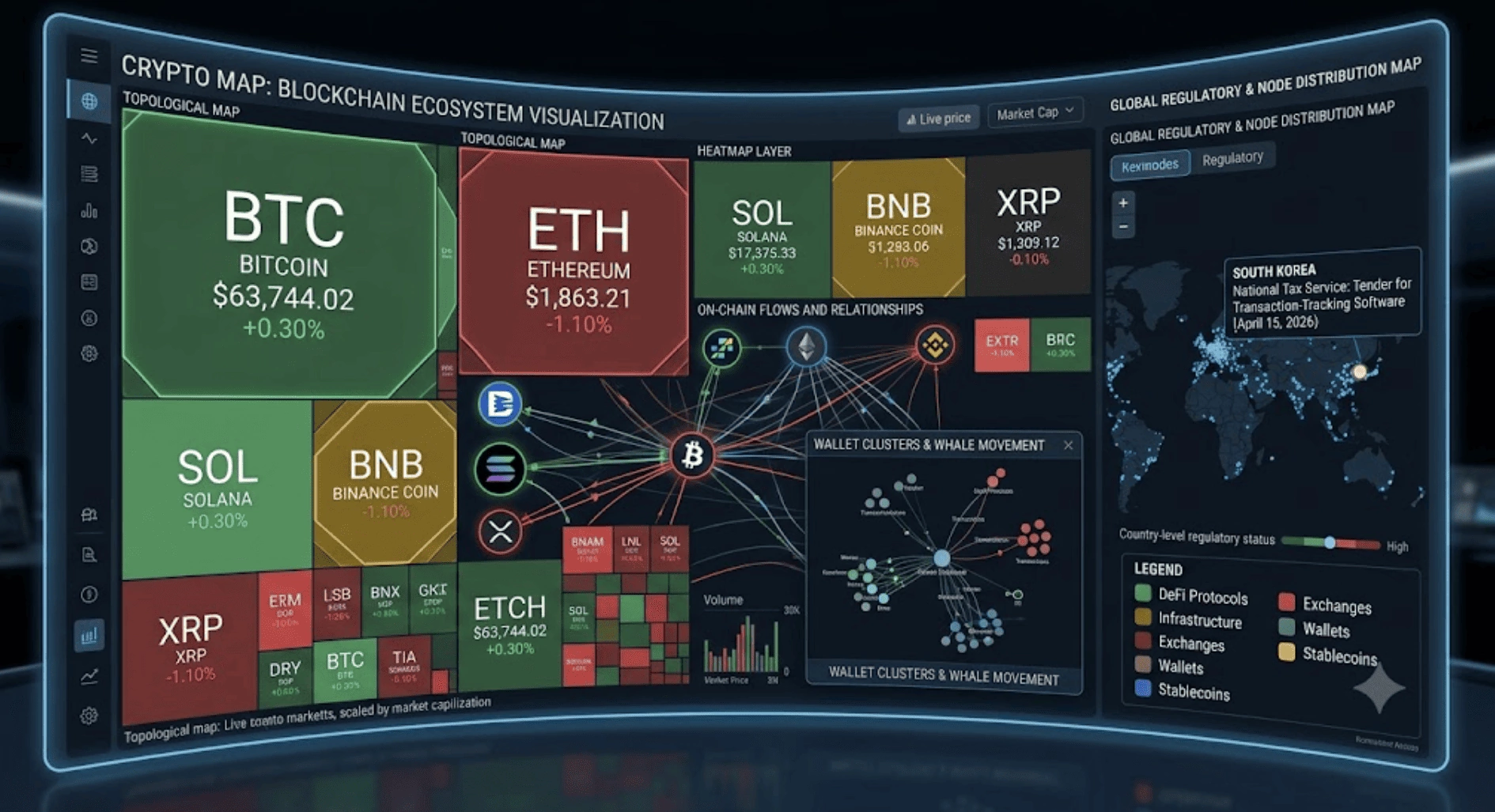
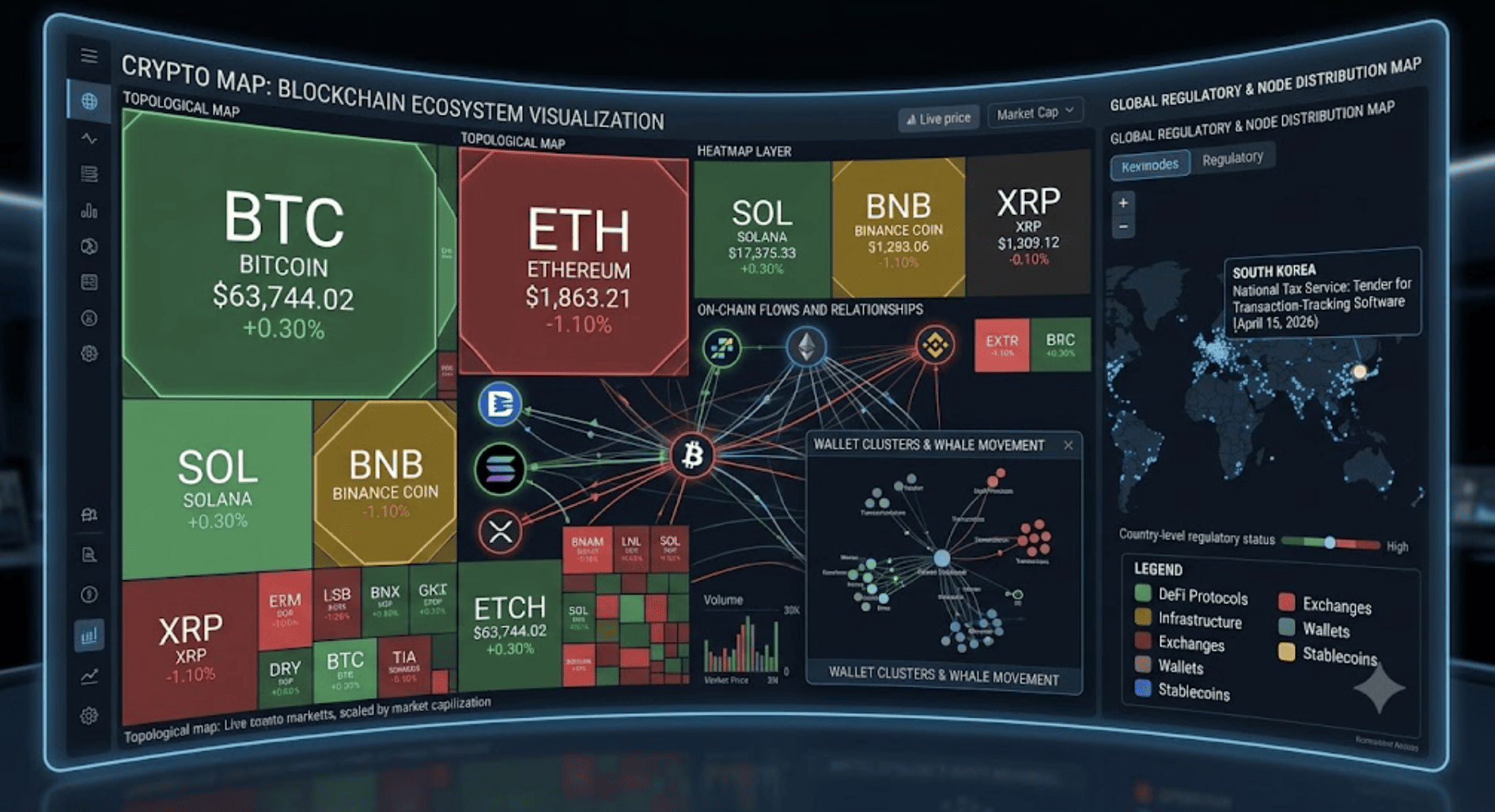
Why Does the HormuzSafe Designation Mark a New Era for Crypto Enforcement?
This action is a landmark. Yes, OFAC has sanctioned crypto addresses before—for ransomware, hacking groups, and drug trafficking. But the HormuzSafe designation is different. It’s one of the first major actions where Bitcoin use by a state-linked entity was a central, named component of the sanctions evasion scheme itself.
It signals a strategic pivot by OFAC and the Treasury. They are no longer just reacting to crypto’s role in cybercrime. They are now proactively targeting its integration into state-sponsored sanctions evasion. For the entire digital assets ecosystem—exchanges, wallet providers, liquidity pools, even individual traders—this is a five-alarm fire. The designation is an unambiguous warning: if you interact with addresses or entities like HormuzSafe, you face a severe risk of secondary sanctions and enforcement actions. This is a clear preview of future OFAC enforcement.
What is OFAC and what does it do?
The Office of Foreign Assets Control (OFAC) is a financial intelligence and enforcement agency inside the U.S. Department of the Treasury. Its mission is to administer and enforce economic sanctions based on U.S. foreign policy and national security goals. By blocking assets and prohibiting U.S. persons from transacting with them, OFAC targets foreign countries, terrorist groups, narcotics traffickers, and other threats.
What Are the Consequences for “U.S. Persons” and the Crypto Industry?
The immediate legal fallout is clear: all property and interests in property of HormuzSafe and Persian Gulf Marine Insurance Company within U.S. jurisdiction are now blocked property. That explicitly includes any Bitcoin or other digital assets held in wallets controlled by U.S.-based exchanges or custodians.
The prohibition’s scope is massive. U.S. persons—a group including U.S. citizens, permanent residents, U.S.-based companies, and anyone physically in the United States—are broadly forbidden from any dealings with these blocked persons. This creates a huge compliance burden. Cryptocurrency exchanges must now deploy robust screening tools to identify and block not only the wallet addresses listed by OFAC today, but any that might be linked to HormuzSafe in the future.
What happens if you transact with a sanctioned entity?
Violating OFAC regulations brings crushing penalties. Civil monetary penalties can run into the hundreds of thousands of dollars *per violation*. If a violation is deemed willful, criminal penalties can escalate to multi-million dollar fines and imprisonment for up to 20 years. And it’s not just U.S. persons at risk. Non-U.S. persons who knowingly facilitate significant transactions for sanctioned entities can be hit with secondary sanctions, effectively cutting them off from the entire U.S. financial system.
How Can Crypto Businesses Mitigate These New Sanctions Risks?
Basic Anti-Money Laundering (AML) and Know Your Customer (KYC) programs are no longer enough. The game has changed. Crypto businesses must now fully integrate sophisticated blockchain analytics and transaction monitoring (KYT) tools built to detect exposure to OFAC-designated wallets and their associated risk patterns.
Key mitigation steps include:
- Constant Screening: You must regularly screen all customer wallets and transactions against OFAC’s Specially Designated Nationals (SDN) list, which now includes a growing number of cryptocurrency addresses.
- Blockchain Analytics: Employ powerful tools that can trace the flow of funds on-chain. This is critical for identifying exposure to sanctioned entities, even when they try to hide by passing funds through several layers of transactions.
- Robust Geofencing: Implement strict IP address blocking and other geofencing measures to prevent users from sanctioned jurisdictions from ever accessing your platform.
- Smarter Staff Training: Train compliance personnel to recognize the evolving methods of sanctions evasion. They need to understand the typologies of state-level actors, mixers, and privacy coins.
Proactive compliance is your only defense. Treating sanctions compliance as a core business function is no longer optional, and navigating this complexity often requires guidance from a specialized OFAC crypto sanctions lawyer.
⚠️ Time is critical — every day matters
Get a free case assessment
Our team specialises in cases with an international element. We review applicable treaties, assess risks, and prepare an action plan.
🔒 Confidential · Response within 24h · No obligation
## Frequently Asked Questions
Why did the US sanction HormuzSafe Marine Services Authority?
The U.S. sanctioned HormuzSafe as part of a crackdown on an Iranian network running an “extortion racket” in the Strait of Hormuz. OFAC’s investigation revealed that HormuzSafe was a key part of this sanctions evasion scheme, and the agency made a point to note that it accepted payments in Bitcoin and other digital assets to fund its illegal activities.
What are the full implications of an OFAC designation?
An OFAC designation triggers an immediate freeze. All property and interests in property of the designated person that are in the U.S. or controlled by U.S. persons are blocked. U.S. persons are then prohibited from all dealings with them. This effectively exiles the designated entity from the U.S. financial system and warns international firms everywhere about the severe risks of doing business with them.
Can you legally use Bitcoin in Iran?
The legal status of cryptocurrency in Iran is murky and keeps shifting. At times, the government has authorized crypto mining under strict conditions, like requiring miners to sell the resulting crypto to the central bank. However, using crypto for domestic payments is generally restricted. The HormuzSafe case demonstrates the reality on the ground: state-linked entities are actively using it for international transactions to get around sanctions. This stands in stark contrast to legitimate, licensed efforts like how to legally send humanitarian aid to sanctioned countries: Iran, Syria, and Venezuela.
What is Interpol’s role in cases like this?
While the U.S. Treasury led this specific action, Interpol acts as a critical nerve center for global policing, especially against financial crime. Think of it less as a world police force and more as a secure switchboard connecting law enforcement agencies in 196 member countries.
Its primary tool? Communication. Interpol facilitates cross-border police cooperation and issues color-coded Notices at the request of a member state. The most famous is the Red Notice, an alert to find and provisionally arrest a wanted person. But here’s a crucial detail most people miss: a Red Notice is not an international arrest warrant. It’s simply a request, and it’s up to each country to decide what legal authority to give it. Some act on it immediately; others require their own courts to weigh in first.
In a scheme like this, intelligence shared through Interpol’s secure channels could mean that a key operator in one country suddenly finds their bank accounts frozen in another, or they get flagged at an airport while on vacation. It’s this background cooperation that quietly helps dismantle multinational sanctions evasion networks.
Frequently Asked Questions
What Was Iran's “Strait of Hormuz Extortion Network”?
Deep within the Strait of Hormuz, one of the world’s most vital maritime chokepoints, the U.S. Treasury sanctioned a sophisticated scheme. Iranian entities, it said, were generating illicit revenue. According to OFAC, organizations including the Persian Gulf Marine Insurance Company (PGMIC) ran an extortion racket that weaponized maritime safety certifications.
How Did Bitcoin and Digital Assets Fuel This Shipping Racket?
The Treasury Department’s own findings explicitly drew the line connecting this maritime extortion to cryptocurrency. A key entity, HormuzSafe Marine Services Authority, was caught red-handed: it “accepts payment in Bitcoin and other digital assets,” according to the press release. This isn’t speculation. It’s a direct admission from a U.S. government body, and that’s a critical development.
Why Does the HormuzSafe Designation Mark a New Era for Crypto Enforcement?
This action is a landmark. Yes, OFAC has sanctioned crypto addresses before—for ransomware, hacking groups, and drug trafficking. But the HormuzSafe designation is different. It’s one of the first major actions where Bitcoin use by a state-linked entity was a central, named component of the sanctions evasion scheme itself.
What Are the Consequences for “U.S. Persons” and the Crypto Industry?
The immediate legal fallout is clear: all property and interests in property of HormuzSafe and Persian Gulf Marine Insurance Company within U.S. jurisdiction are now blocked property. That explicitly includes any Bitcoin or other digital assets held in wallets controlled by U.S.-based exchanges or custodians.
How Can Crypto Businesses Mitigate These New Sanctions Risks?
Basic Anti-Money Laundering (AML) and Know Your Customer (KYC) programs are no longer enough. The game has changed. Crypto businesses must now fully integrate sophisticated blockchain analytics and transaction monitoring (KYT) tools built to detect exposure to OFAC-designated wallets and their associated risk patterns.