Your Iran Deal Was Just Upended by OFAC. Now What?

Chaos. If your business was relying on U.S. authorizations to trade in Iranian oil, your operations were just thrown into it. On July 7, 2026, the U.S. Office of Foreign Assets Control (OFAC) suddenly revoked Iran General License X, invalidating deals that were authorized through late August. The only remaining path forward is a dangerously brief wind-down period, leaving many companies scrambling to understand their legal standing and avoid severe penalties.
Revocation-and-wind-down instrument – An official OFAC document that serves two purposes. First, it formally cancels or “replaces and supersedes” a previously issued general license. Second, it provides a specific, limited-time authorization for companies to conduct necessary activities to legally exit the business that the revoked license had permitted.
What Did OFAC Just Do to Iran General License X?
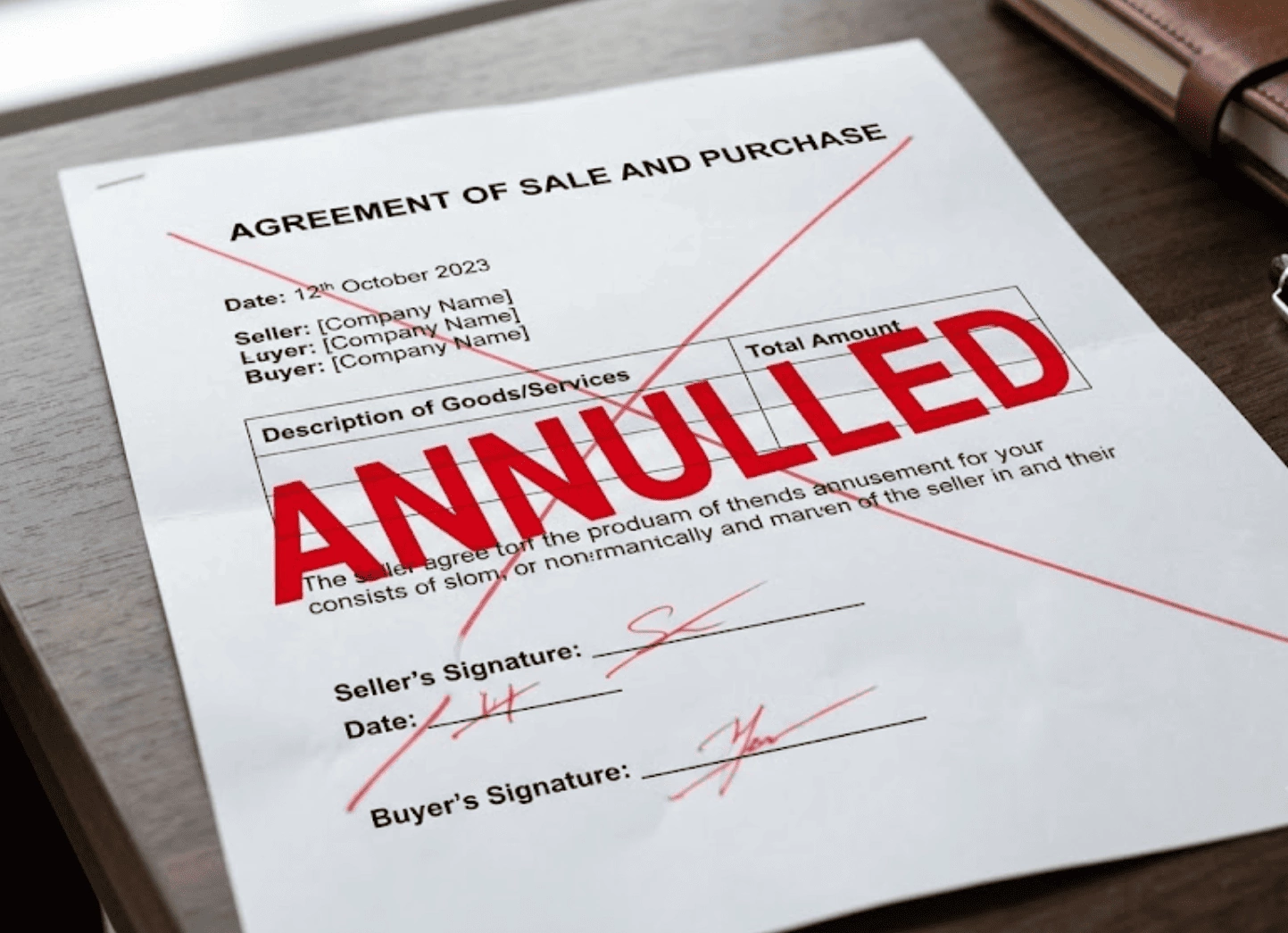
On July 7, 2026, the U.S. Office of Foreign Assets Control (OFAC) did something that caught countless businesses by surprise. It abruptly revoked Iran General License X (GL X) and immediately replaced it with General License X1 (GL X1), which is a formal revocation-and-wind-down instrument.
The original GL X had authorized the production and sale of Iranian-origin crude oil and petrochemical products through August 21, 2026. Companies had planned their contracts, logistics, and financials around this date. That plan is now broken. The revocation cut this authorization short, creating immediate legal and financial jeopardy.
OFAC’s official notice states clearly that GL X1 “replaces and supersedes” GL X. This legal phrasing is critical—it means the permissions granted under the old license are completely void, not grandfathered in. If a transaction isn’t explicitly allowed by the new wind-down license, it’s illegal. Understanding the difference between these authorizations is fundamental to compliance; you can learn more about an OFAC license and what it is needed for in our detailed guide.
Why This Happened
GL X was issued June 21, 2026, tied to a U.S.–Iran Memorandum of Understanding — a major, rare policy reversal.
GL X1 was issued the same day Iran’s IRGC struck three commercial vessels in the Strait of Hormuz, following the collapse of a ceasefire.
This gives readers the “why,” not just the “what,” and signals this is a volatile geopolitical situation, not routine bureaucratic housekeeping — which matters for their risk assessment.
How Do I Legally Wind Down My Business Dealings?
You must act with speed and precision. The wind-down period is brutal.
All wind-down activities must be completed by 12:01 a.m. Eastern Daylight Time on July 17, 2026. This is a hard deadline. After this moment, the authorization from GL X1 expires completely. Any further activity, even processing a legitimate but late payment, would constitute a violation of Iran sanctions and could trigger an enforcement action.
What if your wind-down requires you to make a payment to an Iranian entity that is a blocked person? You cannot pay them directly. U.S. law requires you to transfer those funds into a blocked, interest-bearing account located within the United States. This freezes the funds under U.S. control, even if they are rightfully owed to the Iranian party. This mechanism can be complex, and issues can arise if a bank freezes your money even if you aren’t on a sanctions list.
Throughout this process, documentation is your best defense. Keep meticulous records of all wind-down transactions. You must be prepared to prove to OFAC that every single action taken after July 7 was strictly “ordinarily incident and necessary” to terminate business that was previously authorized under the now-superseded GL X.
Does This OFAC Action Affect Non-U.S. Companies?
Yes. Absolutely. Even if your company is not based in the U.S. and has no American employees, you are exposed to significant risk through what are known as secondary sanctions.
If a non-U.S. company engages in activities that are now prohibited for U.S. persons—particularly if the transaction touches the U.S. financial system in any way, such as by using U.S. dollars—it can be targeted by OFAC. The consequences are severe. They can include being cut off from the U.S. market, having assets frozen, or being designated as a blocked person yourself.
While the European Union may have its own regulations or even blocking statutes designed to counteract U.S. sanctions, this does not create a safe harbor. It creates a complex legal minefield where you may be forced to violate one jurisdiction’s laws just to comply with another’s.
From a practical standpoint, the risk is even more immediate. Your business partners, insurers, shippers, and financial institutions are almost certain to have their own robust compliance policies. Many are U.S. persons or are so concerned about secondary sanctions risk that they will immediately cease all dealings related to your transaction. The result is that your deal can collapse from commercial pressure even without direct U.S. government action against your company.
What Happens After July 17?
Once the wind-down period expires, GL X1 offers no further protection. Any activity involving Iranian-origin crude oil, petrochemical products, or petroleum products — including the receipt of late payments — will require a specific, individual license from OFAC to be lawful. There is currently no indication that OFAC intends to reissue a broad authorization similar to GL X.
It’s worth remembering that GL X itself was an unusual departure from decades of U.S. policy, and its reversal came just as quickly as it was granted. Given the pace of change over the past month, companies with any remaining exposure to Iranian energy transactions should treat OFAC guidance as subject to change with little or no warning, and should check for updates regularly rather than relying on the current wind-down terms as a stable baseline.
⚠️ Time is critical — every day matters
Get a free case assessment
Our team specialises in cases with an international element. We review applicable treaties, assess risks, and prepare an action plan.
🔒 Confidential · Response within 24h · No obligation
Frequently Asked Questions
What is OFAC General License X1?
OFAC `General License X1` is the legal instrument issued on July 7, 2026, that formally revoked the previous Iran General License X. It does not authorize any new business. Instead, it provides a very short window (until July 17, 2026) for parties to conduct `wind-down transactions` that are `ordinarily incident and necessary` to exit deals that were started under GL X.A `blocked, interest-bearing account` is a special type of account held at a U.S. financial institution. When a U.S. person owes money to a sanctioned or `blocked person` (like certain Iranian entities), OFAC regulations require the payment to be deposited into this account instead of being sent to the sanctioned party. The funds are then frozen and controlled by U.S. law, but they do accrue interest for the ultimate beneficiary.This is an official OFAC document that serves two purposes. First, it formally cancels or `replaces and supersedes` a previously issued general license. Second, it provides a specific, limited-time authorization for companies to conduct necessary activities to gracefully and legally exit the business that the revoked license had permitted. GL X1 is a classic example of this type of instrument.
What Did OFAC Just Do to Iran General License X?
On July 7, 2026, the U.S. Office of Foreign Assets Control (OFAC) did something that caught countless businesses by surprise. It abruptly revoked Iran General License X (GL X) and immediately replaced it with General License X1 (GL X1), which is a formal revocation-and-wind-down instrument.
Are My Existing Contracts Under GL X Still Valid?
No. From the perspective of U.S. law, your contracts are not valid in their original form. Because the prior authorization was superseded, any new operational steps, including purchasing or loading new cargo, became unauthorized as of July 7, 2026. This means your once-valid contract is now likely unenforceable from a U.S. compliance perspective unless every single remaining activity fits within the narrow wind-down provisions.
How Do I Legally Wind Down My Business Dealings?
You must act with speed and precision. The wind-down period is brutal.
Does This OFAC Action Affect Non-U.S. Companies?
Yes. Absolutely. Even if your company is not based in the U.S. and has no American employees, you are exposed to significant risk through what are known as secondary sanctions.