Navigating the Murky Waters of Iran Sanctions: What Shipowners Must Know About the 2026 Crackdown

It’s the early hours of July 14, 2026. A shipping magnate in Athens gets an urgent alert. Overnight, a new U.S. executive action went into effect. One of their chartered tankers, now sailing through the Strait of Hormuz, is officially blocked property. Why? The vessel was linked, three degrees of separation away, to a newly sanctioned Iranian network. Suddenly, the shipowner faces millions in penalties and the loss of their asset.
This isn’t just a hypothetical. The July 2026 U.S. sanctions escalation means staggering liability for shipowners, financiers, and insurers in the global oil trade. Any entity found facilitating transactions with Iran’s oil sector, especially its “shadow fleet,” now risks ruinous penalties. This could mean asset seizure or, worse, being completely cut off from the U.S. financial system under Executive Order 13846.
Shadow Fleet – A network of aging tankers, often with obscured ownership and flying flags of convenience, used to transport oil from sanctioned countries like Iran. These vessels employ deceptive tactics to hide the origin and destination of their cargo, operating outside standard maritime insurance and regulatory frameworks.
Blocked Property – Any asset or interest in an asset (such as a vessel, bank account, or real estate) that is in the possession or control of a U.S. person or within U.S. jurisdiction and is owned by a person or entity on OFAC’s Specially Designated Nationals (SDN) List. These assets must be frozen and reported to OFAC.
What Did the U.S. Announce in July 2026 Regarding Iran’s Oil Shipments?
The first shoe dropped on July 13, 2026. The White House notified Congress of a major policy shift, authorizing renewed military options and restoring a blockade of the Strait of Hormuz. The very next day, the U.S. Treasury’s Office of Foreign Assets Control (OFAC) launched a massive expansion of sanctions aimed squarely at Iran’s petroleum transport network.
This wasn’t a broad warning. The action specifically targeted the vast network run by Iranian businessman Mohammad Hossein Shamkhani. In a single, sweeping designation, OFAC sanctioned over 50 individuals, companies, and vessels connected to his operations. It was one of the largest single-day enforcement actions ever taken against the shadow fleet, marking a new, more aggressive phase in the U.S. strategy to cut off Iran’s oil revenue.
And this wasn’t out of the blue. The escalation built on actions from earlier in 2026, when the Department of State, also acting under Executive Order 13846, sanctioned 15 entities and two individuals on February 25, identifying 14 vessels as blocked property. The July action shows a coordinated, whole-of-government campaign to dismantle the very infrastructure that lets Iran export its oil.

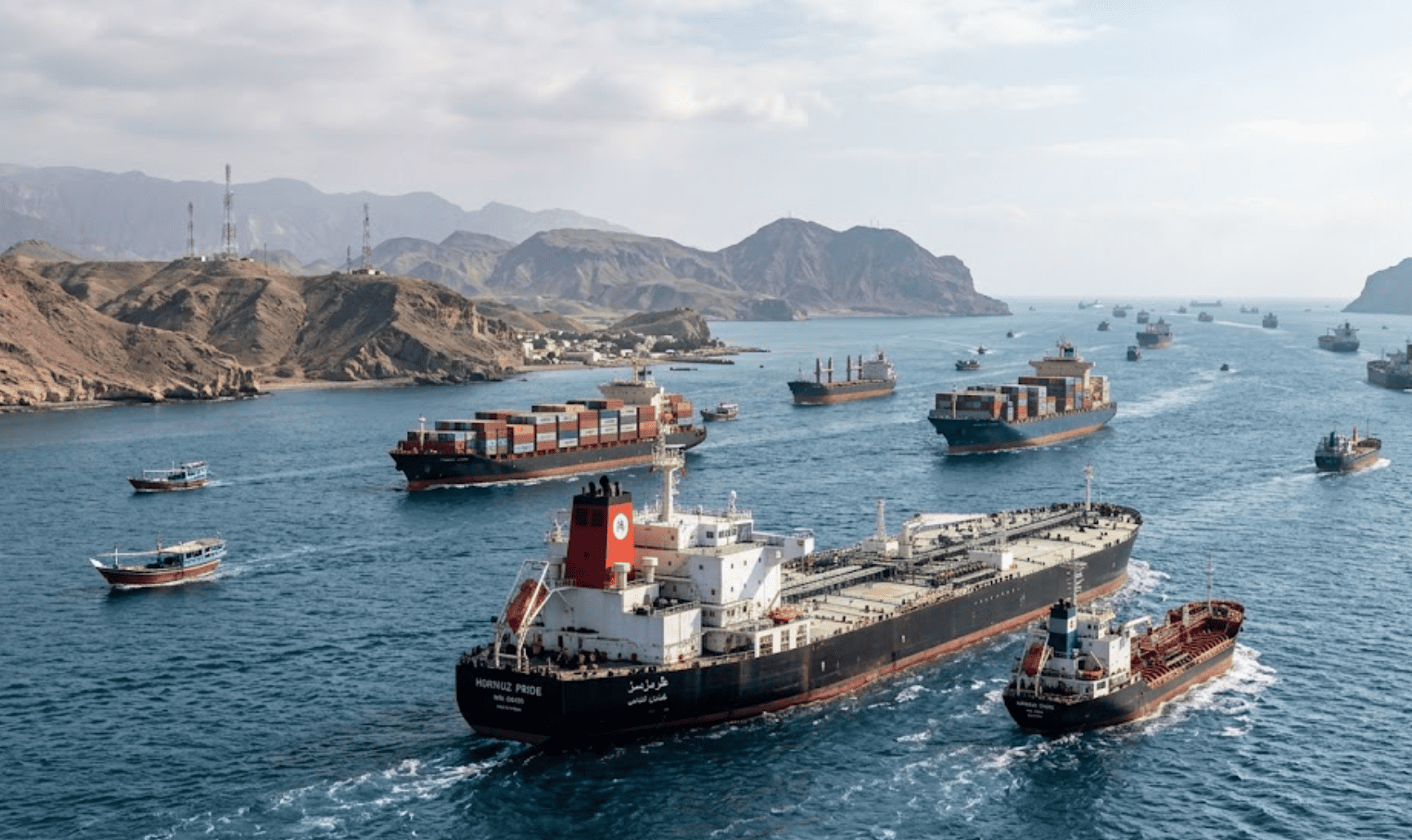
What Exactly is the “Shadow Fleet” and How Does It Operate?
Think of the shadow fleet as a ghost armada. It’s a collection of hundreds of aging oil tankers operating in the murky waters of international maritime law, all to move sanctioned crude oil. These vessels are deliberately structured to hide their ownership and fly under the radar, forming the logistical backbone of Iran’s oil exports in defiance of sanctions.
OFAC has flagged several key deceptive tactics these ships use:
- AIS Manipulation: Captains will disable or outright falsify data from the mandatory Automatic Identification System (AIS). This either hides the vessel’s true location or creates “ghost” journeys to confuse trackers.
- Covert Ship-to-Ship (STS) Transfers: To obscure the oil’s origin, cargo is moved from one vessel to another at sea. These transfers often happen at night in remote locations, long before the oil reaches a legitimate port.
- Flag Hopping: The vessel’s country of registration (its flag) is changed frequently. This simple trick makes it incredibly difficult for authorities and due diligence providers to track its history and compliance record.
- Labyrinthine Ownership Structures: Layers of shell companies across multiple jurisdictions are used to hide who really owns the vessel, frustrating any effort to connect it to a sanctioned entity.
- Doctored Shipping Documents: Bills of lading, certificates of origin, and insurance papers are routinely falsified to disguise the fact that the cargo is Iranian.
As a Shipowner, What is My Legal Liability Under These New Sanctions?
U.S. sanctions liability is sweeping. It can attach even if you never intended to break the law. For shipowners, charterers, insurers, and financiers, ignoring these risks is simply not an option.
At the heart of the system is the blocking rule. Any property or interest in property belonging to a person or entity on OFAC’s blacklist (a “Specially Designated National” or SDN) must be frozen if it comes within U.S. jurisdiction. This means if your vessel is designated, a U.S. bank holding its funds or a U.S. company servicing it must immediately block those assets and report you to the government.
Critically, the liability doesn’t stop with direct ownership. The OFAC 50 Percent Rule dictates that any company owned 50% or more, in aggregate, by one or more blocked persons is automatically considered blocked itself, even if it’s not on the SDN list. The implication is huge: you have a massive due diligence burden to investigate the entire ownership chain of every vessel and counterparty you work with.
And these are not just a problem for American companies. Non-U.S. persons can be hit with powerful Iran Secondary Sanctions. If a European shipowner or an Asian bank is found to have “knowingly facilitated a significant transaction” for Iran’s oil sector, they can be added to the SDN list themselves. The result? They are effectively exiled from the U.S. dollar and the global financial system.
What is the penalty for violating Iran sanctions?
The consequences are severe enough to end a business. They are brutal. Penalties fall into several categories:
- Civil Monetary Penalties: OFAC can impose staggering fines. For each violation, you could face a penalty of around $360,000 or twice the value of the underlying transaction, whichever is greater.
- Criminal Penalties: If a violation is deemed willful, it can lead to criminal prosecution. This means fines up to $1 million and, for individuals, up to 20 years in prison.
- Asset Forfeiture: The vessel itself can be identified as blocked property, which allows the U.S. government to seize it and take ownership.
- SDN Designation: This is the commercial death penalty. Being placed on the SDN list prohibits almost all U.S. persons from dealing with you and freezes all of your U.S. assets, making it nearly impossible to conduct international business.
How Can the Maritime Industry Mitigate Risk and Avoid Sanctions Violations?
A proactive, almost obsessive, level of due diligence is the only real defense. Simply checking a vessel’s name against a list is dangerously inadequate.
Your risk management must be built on a robust Sanctions Compliance Program (SCP), just as OFAC recommends. Its key pillars should include:
- Deep Ownership Due Diligence: Don’t stop at the registered owner. You must dig into the full corporate structure to unmask the ultimate beneficial owners of the vessel, the charterer, and the cargo owner. Screen every one of them against global sanctions lists.
- Continuous Vessel Monitoring: A single pre-voyage check is a recipe for disaster. Use advanced vessel-tracking systems to monitor a ship’s movements in real-time, looking for red flags like AIS gaps near the Persian Gulf, unexplained loitering, or deviations from its declared route.
- Document Scrutiny: Cross-reference every shipping document—bill of lading, certificate of origin, insurance papers—to spot inconsistencies. Be extremely wary of last-minute changes to the destination port, the cargo consignee, or the vessel’s management company.
- Ironclad Contractual Protections: Your charter parties, bills of lading, and insurance policies must contain clear, enforceable sanctions clauses. Crucially, these clauses should give you the explicit right to refuse performance and terminate the contract without penalty if a sanctions risk emerges.
- Geographic Risk Assessment: Understand that enforcement and transparency vary wildly by jurisdiction. A vessel flagged in a high-risk, low-transparency country warrants far more scrutiny than one from a major, reputable registry. This is a core skill for navigating the complex world of oil sector and OFAC “tanker” licenses.
How do you check if a vessel is sanctioned?
Checking a vessel’s status is a multi-step process. First, of course, you consult OFAC’s official Specially Designated Nationals and Blocked Persons (SDN) List on the U.S. Treasury’s website. You can search by vessel name and International Maritime Organization (IMO) number.
But that’s not enough. Because of the 50 Percent Rule, a vessel can be blocked even if it’s not explicitly named on the list. You must also identify its registered owner, operator, and beneficial owners, and screen all of those entities, too. For a truly comprehensive check, you have to use professional third-party screening platforms that consolidate multiple global sanctions lists and provide detailed vessel histories and ownership data.
⚠️ Time is critical — every day matters
Get a free case assessment
Our team specialises in cases with an international element. We review applicable treaties, assess risks, and prepare an action plan.
🔒 Confidential · Response within 24h · No obligation
| Penalty type | Consequence |
|---|---|
| Civil Monetary Penalties | Around $360,000 or twice the transaction value, whichever is greater |
| Criminal Penalties | Fines up to $1 million and up to 20 years in prison for individuals |
| Asset Forfeiture | The U.S. government can seize the vessel and take ownership |
| SDN Designation | Prohibits almost all U.S. persons from dealing with you and freezes U.S. assets |
Frequently Asked Questions
How does Iran get around oil sanctions?
Iran circumvents oil sanctions primarily by deploying its “shadow fleet.” This strategy relies on a whole toolkit of deceptive practices: disabling vessel tracking systems (AIS manipulation), conducting secret ship-to-ship transfers to mix its oil with other crudes, using a web of front companies to hide who owns the vessels, and issuing falsified shipping documents to disguise where the cargo came from.
Who is still buying oil from Iran?
The main destination for illicit Iranian oil has been independent refineries in Asia. These deals are structured specifically to avoid the U.S. financial system. They often rely on non-dollar currencies, direct barter arrangements, or highly complex payment schemes that use multiple intermediaries to hide the money trail from international regulators.
Does Iran have its own oil tankers?
Yes, but not nearly enough. While Iran operates a state-owned tanker fleet through the National Iranian Tanker Company (NITC), it’s heavily sanctioned and too small for its export ambitions. This forces Iran to rely on a workaround: the third-party shadow fleet, a sprawling network of foreign-owned vessels whose operators are willing to risk transporting its crude.
What are US sanctions on Iranian oil?
U.S. sanctions on Iranian oil are a wall of economic restrictions, primarily enforced by the Treasury’s Office of Foreign Assets Control (OFAC) under authorities like Executive Order 13846. They flatly prohibit U.S. persons from almost any transaction touching Iran’s petroleum sector. Critically, they also include powerful secondary sanctions. This means non-U.S. companies—a bank in Singapore or a shipping firm in Panama—that knowingly help Iran sell its oil can be cut off from the U.S. financial system entirely, a risk most large businesses are unwilling to take.