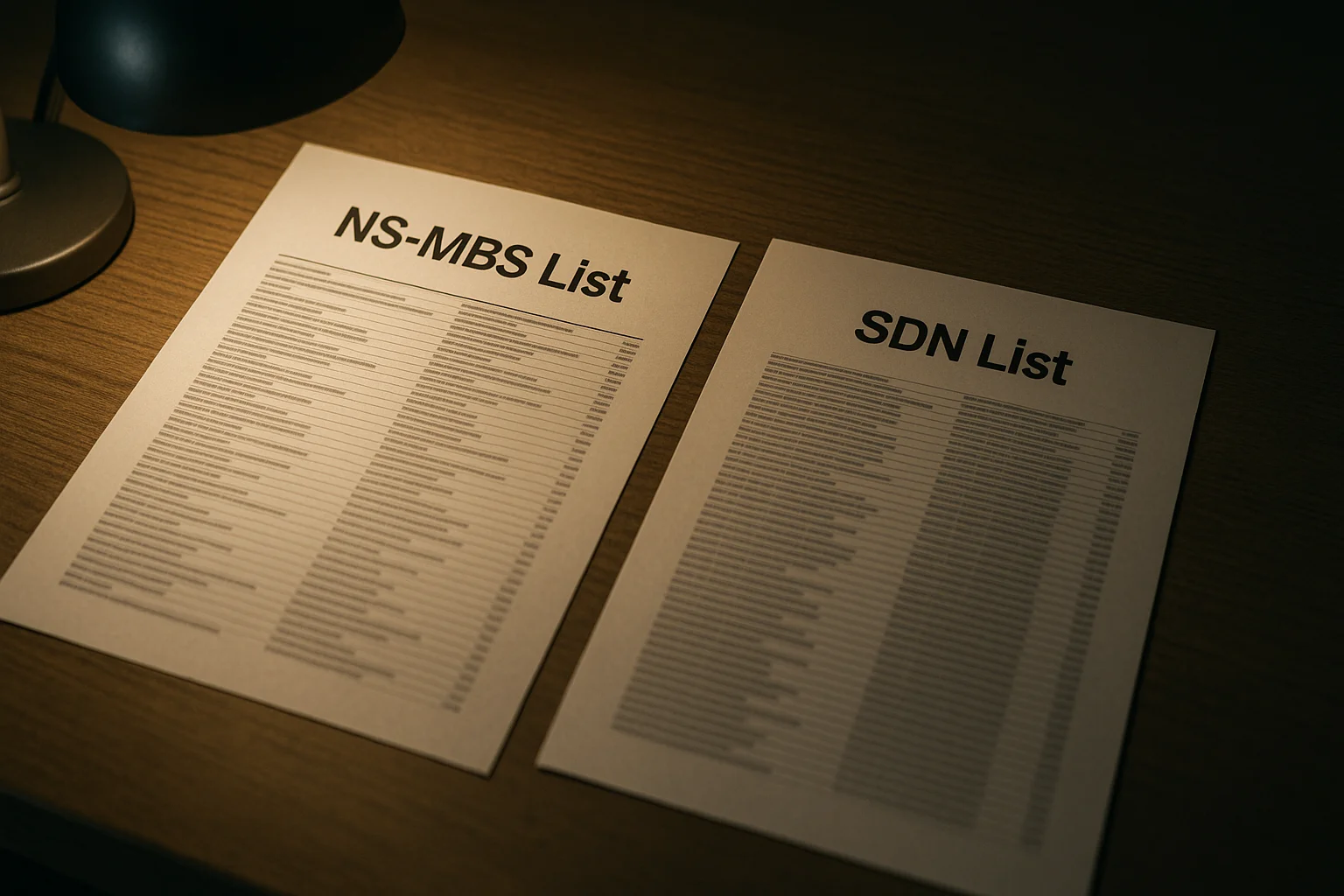
US China Chip Export Controls: A Complete 2026 Guide

The U.S. government has rolled out targeted export controls. The goal? To restrict China’s access to advanced semiconductors and the technology needed to manufacture them. These measures, enforced by the Department of Commerce, aren’t a total ban. They are a strategic effort to slow China’s military modernization by limiting its ability to produce or acquire the high-performance chips essential for artificial intelligence (AI) and supercomputing.
Export Administration Regulations (EAR) – A set of U.S. government regulations, codified in 15 C.F.R. Parts 730–774 and administered by the Bureau of Industry and Security (BIS), that control the export, reexport, and in-country transfer of certain commercial and dual-use items, software, and technology for national security, foreign policy, and nonproliferation reasons.
Foreign Direct Product Rule (FDPR) – A provision within the EAR that extends U.S. export control jurisdiction to certain foreign-produced items that are the direct product of U.S.-origin technology or software, or produced by a plant whose major components are the direct product of U.S. technology.
Why Is the U.S. Restricting Chip Exports to China?
National security is the primary driver behind these chip export controls. The United States wants to slow the pace of China’s military development. It’s doing this by preventing its armed forces from obtaining or producing the world’s most advanced computing chips. These aren’t just any components. They are critical for supercomputers, advanced AI systems, and next-generation autonomous and hypersonic weapons.
This policy is legally anchored in the Export Control Reform Act of 2018 (ECRA). Specifically, 50 U.S.C. § 4812 gives the executive branch the power to control exports of “emerging and foundational technologies”—a category that neatly includes advanced semiconductors. Beyond direct military threats, the controls address a broader technological rivalry. They are designed to preserve the U.S. and its allies’ technological lead in sectors vital for future economic and military power, effectively managing the geopolitical risks of China’s ascent as a tech superpower.
What Exactly Is Being Controlled?
The restrictions, managed by the Commerce Department’s Bureau of Industry and Security (BIS), are precise. They don’t affect most consumer electronics. Instead, the focus is on three specific categories:
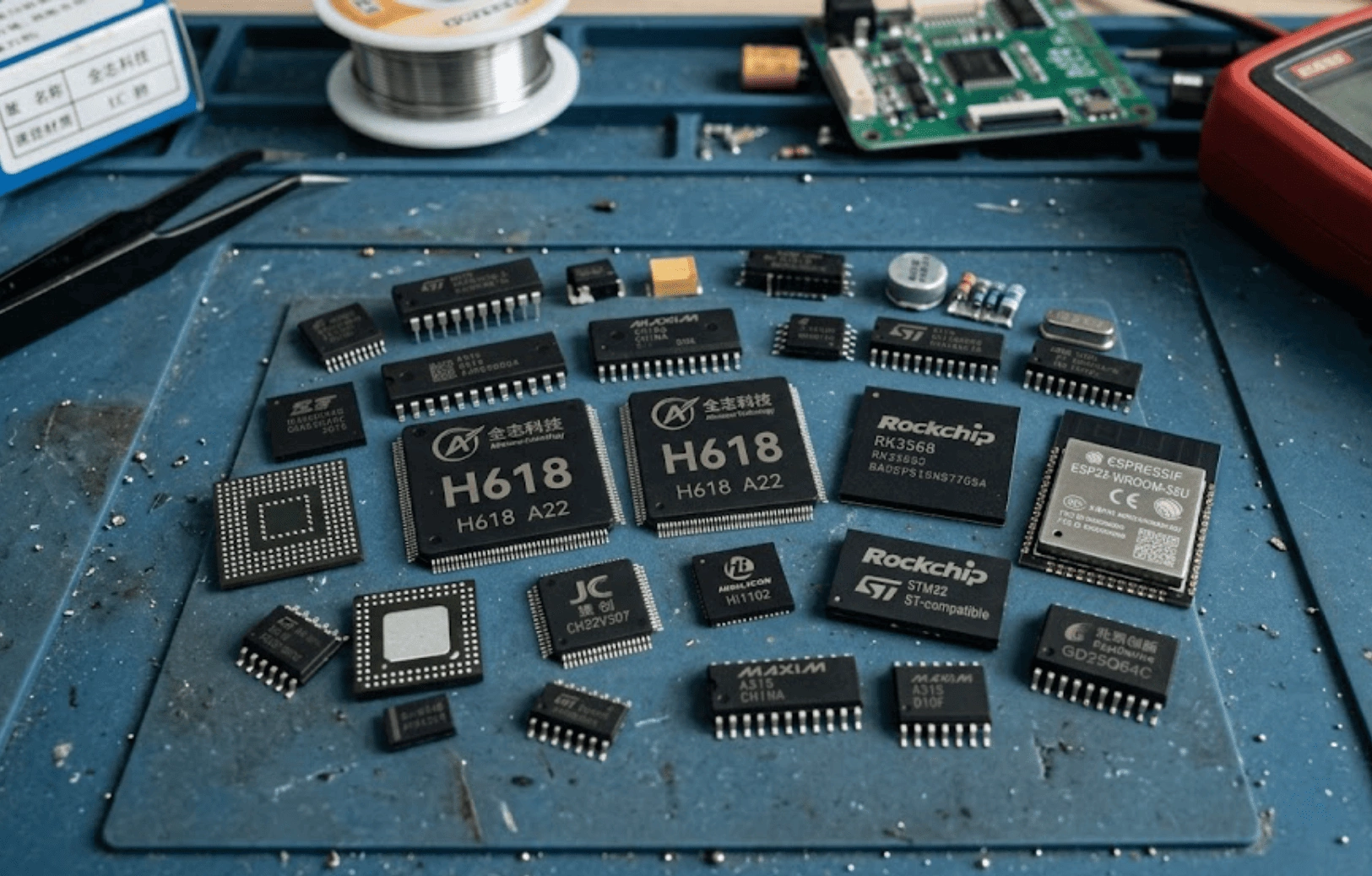
- High-Performance Advanced Computing Chips: This covers certain Graphics Processing Units (GPUs) and other integrated circuits that cross specific performance thresholds. These are the chips needed for training large-scale AI models and running complex scientific simulations.
- The equipment to make semiconductors (SME): Controls also apply to the sophisticated tools and software required to design and fabricate advanced chips, particularly those at the 14/16-nanometer nodes or smaller.
- What U.S. persons can do: The rules go beyond hardware, restricting U.S. citizens, green card holders, and companies from supporting the development or production of advanced semiconductors at certain facilities in China. This applies even if no physical item is transferred.
Controlled items are listed on the Commerce Control List (CCL) under specific Export Control Classification Numbers (ECCNs), like ECCN 3A090 for advanced chips. Critically, these controls reach far beyond U.S. borders. Through the expansive Foreign Direct Product Rule (FDPR), the regulations capture certain foreign-made products if they are based on U.S. technology or software. This prevents companies in allied nations from simply backfilling the supply to China, making a comprehensive understanding of the rules essential for anyone in the global technology supply chain and highlighting the importance of navigating U.S. export controls.
How Do These Export Controls Actually Work?
At their core, the regulations operate as a licensing system under the Export Administration Regulations (EAR). Any company, American or foreign, intending to export, reexport, or transfer a controlled item to a restricted entity or for a restricted end-use in China must first apply for a license from BIS.
Here’s the catch: obtaining that license is nearly impossible. For most applications tied to advanced computing and semiconductor end-uses in China, BIS uses a “presumption of denial” policy. The law at 50 U.S.C. § 4814 requires the agency to act on a license application within 90 days, but that deadline can be extended, and the default outcome is almost always rejection. This means that if you apply for a license in January, you might not hear back until April, and the answer will likely be “no.” This strict stance forces companies to find other solutions or face severe penalties, underscoring the need to understand the consequences of export violations.
A major procedural hurdle is the FDPR. This powerful rule asserts U.S. jurisdiction over a foreign-made chip if its design uses American software (like EDA tools) or if it’s produced with U.S.-origin manufacturing equipment. It’s what stops a Taiwanese foundry, for example, from legally producing U.S.-designed AI chips for a blacklisted Chinese company without getting a U.S. license first.
What Has Been the Real-World Impact on Companies and Supply Chains?
The export controls sent shockwaves through the global semiconductor industry. Major U.S. chip designers like NVIDIA and AMD were immediately hit. They had to quickly create and market less powerful “China-versions” of their top AI chips to stay compliant.
These rules also created massive initial uncertainty for multinational semiconductor firms with fabrication plants in China. To prevent a supply chain meltdown for non-Chinese customers, BIS issued a Temporary General License (TGL). This license allowed companies like South Korea’s SK Hynix and Taiwan’s TSMC to keep receiving the U.S. equipment they needed for their existing Chinese operations. That authorization has since been extended, currently set to expire on 31 December 2024, providing a temporary but crucial reprieve.
Meanwhile, American and allied semiconductor equipment suppliers—giants like Applied Materials, Lam Research, and the Netherlands’ ASML—saw their sales to China’s most advanced fabs plummet. While this hurt their revenues, it also spurred Beijing to double down on creating a self-sufficient domestic semiconductor equipment industry. This dynamic highlights the complex web of regulations that determine who must comply with US regulations and the far-reaching effects on global commerce.
What Are the Key Dates and Regulations to Know?
Staying compliant means knowing the foundational laws and the timeline of regulatory updates. The table below breaks down the most important milestones.
| Date | Regulation or Law | Significance |
|---|---|---|
| Aug 13, 2018 | Export Control Reform Act of 2018 (ECRA) | The foundational U.S. law authorizing the Department of Commerce to establish controls on “emerging and foundational technologies” for national security. |
| Oct 7, 2022 | Interim Final Rule: “Implementation of Export Controls: Certain Advanced Computing and Semiconductor Manufacturing Items” | This was the landmark rule. It established the core restrictions on advanced chips, supercomputer end-uses, and semiconductor manufacturing items destined for China. |
| Oct 12, 2022 | Effective Date for U.S. Person Controls | Restrictions on U.S. persons supporting certain Chinese chip fabs went into effect. Missing this date meant risking immediate enforcement action. |
| Oct 21, 2022 | General Effective Date for Oct 7 Rule | Most other license requirements for controlled hardware and software became effective. |
| Oct 25, 2023 | Final Rule: “Export Controls on Semiconductor Manufacturing Items” | A major update that refined and expanded equipment controls, closing loopholes from the 2022 rule and further tightening China’s access to advanced manufacturing tools. |
Takeaway: The legal framework is not static. The initial 2022 rules set the new paradigm, but the 2023 updates show that U.S. regulators are constantly adapting to tighten controls as technology and circumvention tactics evolve. This means companies need ongoing China sanctions compliance guidance to keep up.
⚠️ Time is critical — every day matters
Get a free case assessment
Our team specialises in cases with an international element. We review applicable treaties, assess risks, and prepare an action plan.
🔒 Confidential · Response within 24h · No obligation
Frequently Asked Questions
What is the US-China chip ban?
The “chip ban” is really a series of specific export controls from the U.S. Department of Commerce. It’s not a blanket ban on all semiconductors. Instead, it precisely targets China’s access to advanced computing chips, the semiconductor manufacturing equipment needed to produce them, and related U.S. technology. The goal is to limit capabilities critical for advanced military and AI applications.
Why did US ban chip exports to China?
The primary reason is national security. The United States aims to slow China’s military modernization, which depends on supercomputers and artificial intelligence powered by these specific high-end chips. By restricting access, the policy seeks to prevent American technology from being used to develop systems that could one day threaten U.S. security interests.
What is the purpose of US export controls on semiconductors?
Washington’s goal isn’t just one thing; it’s a strategic triad. First and foremost, it’s about national security—specifically, slowing down China’s development of advanced military systems like hypersonic missiles and autonomous weapons. A second, equally critical aim is addressing human rights by choking off the supply of tech that enables mass surveillance. Finally, these controls are designed to protect the technological leadership of the U.S. and its allies in the next wave of emerging and foundational technologies.
Can US companies still sell chips to China?
Yes, but with a massive asterisk. The door isn’t completely shut. A wide variety of less-advanced, "legacy" semiconductors can still be sold to China without a license because they fall outside these specific controls. The real challenge comes with anything on the Commerce Control List (CCL), like high-performance AI chips. For these, companies must get a license from BIS. In practice, however, obtaining that license for a restricted Chinese entity is next to impossible—the official policy is a “presumption of denial,” meaning your application is almost certain to fail. Don’t build a business plan around the hope of getting one.